Operation Epic Fury Isn’t In The Bible

Operation Epic Fury isn’t a biblically prophesied event.

Debating whether modern Israel is the same as ancient, biblical Israel or whether modern Jews are from the same bloodline as the original Twelve Tribes muddies the issue and misses the point.

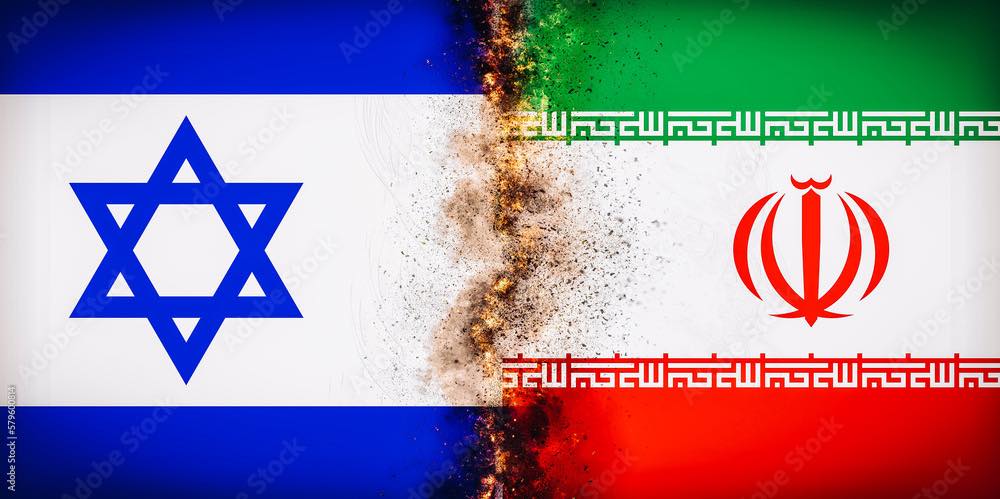
America is working in tandem with, and supporting, a long-time friend and strategic geopolitical ally, Israel, to neutralize a common existential threat. Doing so isn’t “serving our Zionist masters” or “sending our young people to die for Netanyahu.” It’s common sense and the right thing to do because it’s a national-security necessity.

Nor is it against God’s will to oppose the ongoing conflict with Iran. In fact, the current conflict with Iran shouldn’t be cast as a biblical issue at all.

Chanting “From the river to the sea, Palestine will be free” is effectively code for “Wipe Israel off the map and exterminate the Jews,” a goal the mullahs in Iran have openly stated. Therefore, Israel is fully justified in taking strong military action against that threat.

Chanting “Death to America,” regarding our country as the “Great Satan,” building nuclear weapons, and working tirelessly to find ways to continue to kill Americans and destroy our way of life—which the current Iranian regime has been doing for over four decades—are reason enough for America to declare, “Enough is enough.”

We don’t need biblical affirmation, prophetic permission, or a “standing with God’s chosen people” rationale in order to work with an ally to remove the malignant tumor that threatens our kids and grandkids. All we need is the wisdom and courage to see it through.

Watchdog Alert: Christianity In Iran

Christianity in Iran today is both difficult to measure and impossible to ignore. Estimates vary widely because many believers worship in secret, but most credible sources agree that the Christian population numbers in the hundreds of thousands, with some estimates reaching close to one million when including underground house churches. Iran officially recognizes certain historic Christian communities—primarily Armenian and Assyrian churches—but conversion from Islam to Christianity is not legally protected and can result in serious consequences. This makes accurate data challenging, as many converts do not publicly identify themselves.

Despite the risks, numerous observers describe Christianity in Iran as one of the fastest-growing expressions of the faith in the world. Much of this growth appears to be among Muslim-background converts, particularly younger Iranians who are searching spiritually or expressing quiet discontent with the religious-political establishment. Because registered churches are restricted and monitored, many believers gather in informal house churches, small groups, or private settings. These networks are decentralized and largely invisible, contributing to both their resilience and the uncertainty surrounding population estimates.

At the same time, the environment for Christian converts remains highly restrictive. International religious freedom reports and advocacy organizations document arrests, interrogations, church raids, and prison sentences under national security charges. While historic ethnic Christian communities are allowed limited public worship, converts often face harsher scrutiny. Reports in recent years indicate an increase in arrests and prison sentences tied to alleged “security” concerns related to religious activity. Pressure can come not only from authorities but also from families and local communities.

The overall picture is complex: Christianity in Iran exists in a space of both growth and hardship. Public recognition is limited, legal protections are narrow, and many believers practice their faith quietly. Yet multiple monitoring organizations note that the church continues to expand despite these constraints. Whether viewed through demographic surveys, ministry reports, or human rights documentation, the story of Christianity in Iran today is one of persistence—marked by both significant challenges and surprising resilience.