
Thursday Watchdog Alert: Prophecy Junkies

Iran. Israel. Hezbollah. Gaza. Houthi missiles. “Wars and rumors of wars.” Sound familiar?

This week alone, headlines focused on escalating Iran-Israel tensions, renewed Hezbollah activity, and political leaders openly using end-times language while discussing war in the Middle East. – The Guardian

And yes — many Christians immediately start flipping to Ezekiel, Daniel, and Revelation.

But the Bible never told believers to panic. It told us to pay attention.

Jesus said:

“See that ye be not troubled.” — Matthew 24:6

That’s the part many prophecy junkies conveniently skip while trying to turn every missile launch into a fulfillment of biblical prophecy.

Could current events connect to biblical prophecy? Maybe. The Middle East has always mattered in the biblical storyline, and nations like Persia (modern Iran) do appear in prophetic passages Christians have debated for centuries.

But prophecy isn’t meant to turn Christians into bunker-dwelling doom addicts. It’s supposed to wake us up spiritually.

The real issue is this: while nations rage, millions of ordinary people — including Christians trapped in conflict zones — are suffering, afraid, and searching for hope.

So instead of obsessing over timelines and hashtags, let’s try this:

Pray for persecuted believers. Open our Bibles instead of rage-scrolling. And shine light into a world addicted to darkness and chaos.

Because whether Christ returns tomorrow or 100 years from now, our mission today remains exactly the same.
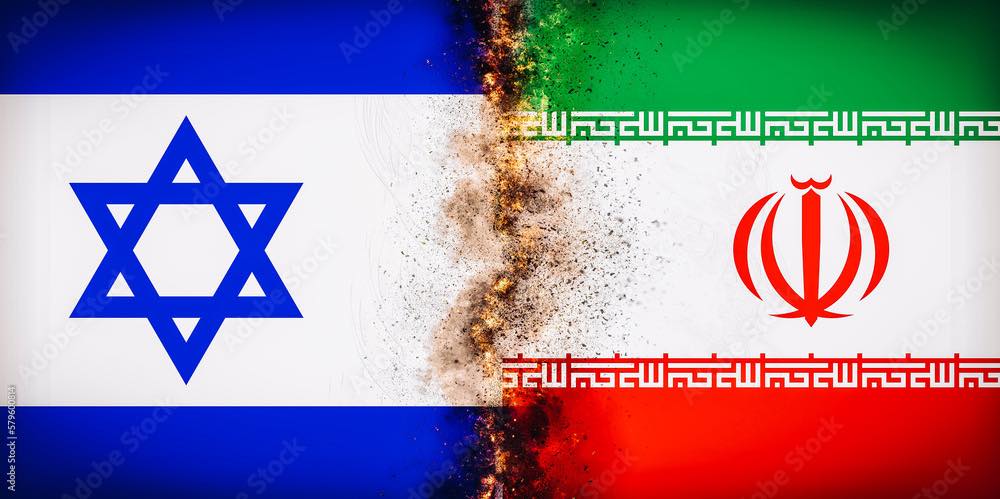
Watchdog Alert: Trouble In Iran As Israel Waits

After months of publicly threatening Iran, Israel has gone quiet, waiting to see how the protest movement develops and giving US President Donald Trump space to make his own decision on whether to take action.From CNN

Here’s a brief reminder on the importance of Iran (Persia) in the Bible in relation to Israel in the Old Testament.

In the Bible, the land and people of ancient Persia (roughly corresponding to modern-day Iran) play a significant role in the history of Israel, especially after the Babylonian Exile.

The Persian Empire rose to power in the 6th century BC when Cyrus the Great conquered Babylon and issued a decree allowing the Jewish exiles to return to Jerusalem and rebuild the temple, fulfilling earlier prophetic promises (Isaiah 45:1–2; Cyrus is even called God’s “anointed”) and recorded in Ezra 1:1–4.

Later Persian rulers such as Darius I and Artaxerxes continued to support the restoration of Jerusalem’s worship and governance (Ezra 6; Nehemiah 2). The Book of Esther is set in the Persian royal court at Susa and tells of Jewish deliverance under King Ahasuerus (often identified as Xerxes) and his queen Esther, illustrating Jewish life and providence under Persian rule (Esther 1:1–2).

Persian figures and encounters also appear in prophetic visions (e.g., Daniel 8’s ram symbolizing Media-Persia) and later biblical prophecy (Ezekiel 38:5), showing both its historical influence and ongoing theological significance.