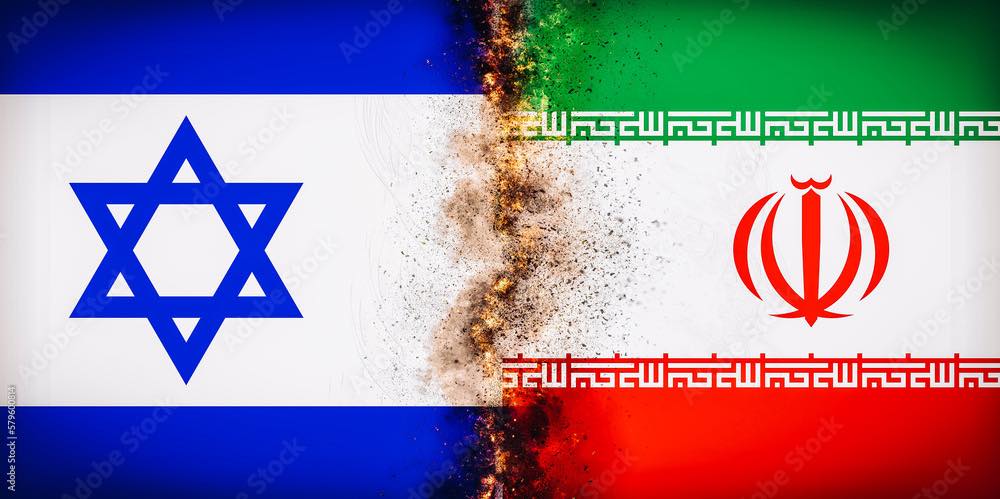
Thursday Watchdog Alert: Middle East Political Messiahs?

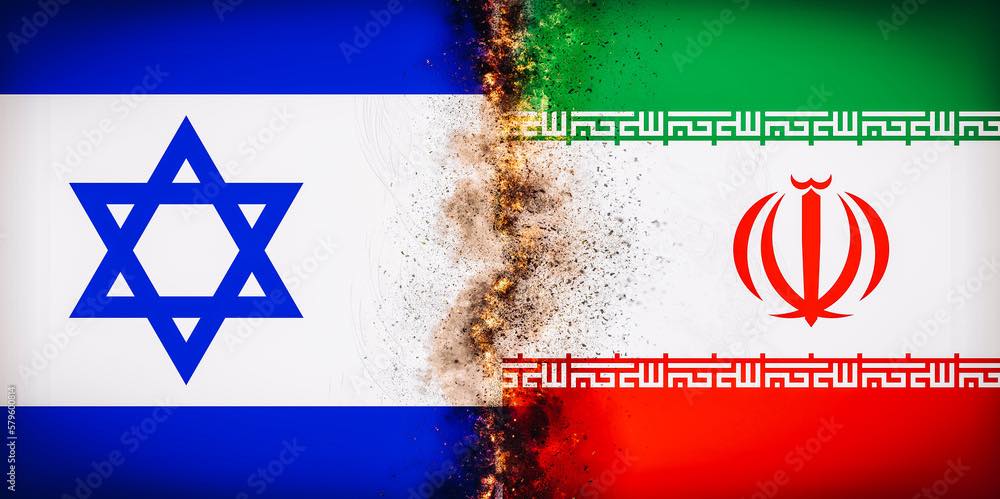
Iran says its attack on Kuwait was self-defense. Negotiations with the United States have now been suspended. Independent

Israeli strikes in Lebanon continue. Politicians blame politicians. Generals blame generals. Everybody promises a solution. Military.com

And yet the Middle East remains what it has been for thousands of years: a place searching for peace and rarely finding it.

Every generation believes the right leader, the right government, the right treaty, or the right movement will finally fix the world. We keep looking for a political messiah.

The Bible says that longing is real—but we’ve been looking in the wrong place.

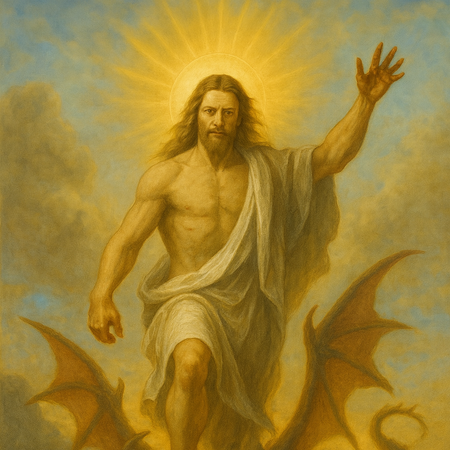
Notice that Jesus is called the Prince of Peace, not the Negotiator of Peace. Real peace won’t be accomplished at a conference table. Real peace will only be realized when Jesus Christ returns in power and glory to establish God’s kingdom on earth.

That’s why every human peace plan eventually cracks. You can sign agreements on paper, but you can’t legislate away sin.

The headlines remind us that humanity’s deepest problem has never changed. Neither has God’s solution.

Thy kingdom come, Thy will be done on earth as it is in heaven.

Thursday Watchdog Alert: Headlines, Missiles, and the Search for Meaning

The Middle East is once again lighting up the world’s headlines. Iran is threatening “new fronts” of war, Israel remains on high alert, and global leaders are openly talking about prophecy, Armageddon, and end-times language. (The Guardian)

Meanwhile, Christians across the region are stuck in the middle — caught between radical Islam, political chaos, and global powers playing geopolitical chess with real human lives. Churches in conflict zones continue to face fear, instability, and persecution while much of the world scrolls past it between cat videos and coffee reels.

So… is this biblical prophecy?

Maybe parts of it point in that direction. Jesus did say:

But here’s the mistake many people make: they become obsessed with decoding headlines while ignoring the condition of their own life, their own household, their own community.

Bible prophecy was never meant to make Christians panic. It was meant to wake people up.

The world keeps promising peace through politics, power, and hashtags. The believer’s hope and purpose are something different: truth, real meaning, and a coming Kingdom in a restored creation that does not collapse every election cycle.

Tuesday Watchdog Alert: When Politics Tries to Play Prophet

Iran’s ruling clerics don’t just talk politics — some openly talk apocalypse.

Recent reporting highlighted how hardline Iranian leaders and Revolutionary Guard figures continue using “Mahdist” language — the belief that chaos, war, and resistance against global powers can help prepare the way for the return of the Hidden Imam, or Mahdi. Analysts warn this ideology is becoming more central inside Iran’s leadership culture.

“Clerical figures aligned with the Guard have made their views explicit. As Hojatoleslam Ali Saeedi, formerly the Supreme Leader’s representative to the IRGC, said in a 2012 speech: ‘The IRGC is one of the tools for paving the way for the emergence of the Imam of the Age [Mahdi] in the field of a regional and international awakening.’ “- From the Hungarian Conservative

In plain English? Some leaders believe global conflict is not a problem to avoid — it’s a stage to set. That should wake people up.

The Bible warned long ago that rulers and nations would chase power through deception, fear, and spiritual blindness. Christians aren’t called to panic over every headline, but we are called to recognize when political movements start sounding like counterfeit salvation stories.

Our Lord already told us who wins history.

The world keeps looking for a warrior-politician, a system, or an ideology to save humanity. But broken people cannot build heaven on earth with missiles, propaganda, or “holy” revolutions. That usually just creates more graves.

And honestly, if your end-times plan requires nukes and chaos to “help God out,” maybe rethink the strategy.

The real Kingdom of God will come with great power and glory when Jesus Christ returns, but that won’t be according to man’s timetable — and it won’t be by any manufactured apocalypse.

So what?
Today, spend 10 minutes reading Matthew 24 and praying for discernment. Don’t let headlines shape your worldview more than Scripture does.

Thursday Watchdog Alert: Rumors Of Peace, Rumors Of War

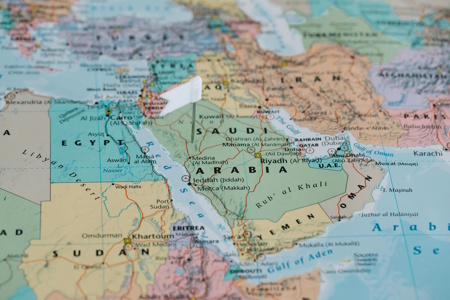
The Middle East is on fire again. Iran tensions are escalating, missile threats are growing, and global powers are scrambling to avoid a wider war. Meanwhile, Islamic extremism keeps dragging entire populations into cycles of fear and violence.

Rumors of a peace deal, then back to rumors of war the very next day.

So… is this biblical prophecy?

Maybe. Maybe not exactly the way YouTube prophecy gurus with blurry thumbnails claim every Tuesday night.

But Jesus did say: “You will hear of wars and rumors of wars… nation will rise against nation.” — Matthew 24:6-7

The point of prophecy was never “guess the date.” The point was: wake up. This world is fragile. Human governments cannot save us. And every missile launch reminds us we desperately need a King greater than Caesar, presidents, ayatollahs, or influencers with ring lights.

Here’s what should concern Christians most: global conflict always squeezes ordinary believers caught in the middle. Churches shrink underground. Fear rises. Hope fades. Yet historically, Christianity often grows strongest where comfort dies.

Funny how humans keep trying to build heaven without God… and accidentally create another dumpster fire instead.

Pray for Christians trapped in conflict zones. Read Matthew 24 slowly. Then do one bold thing this week that brings light instead of outrage—encourage someone, help someone, or share your faith without apology. The world has enough heat. Be light.

And remember this: There will be no peace absent the Prince of Peace.

Watchdog Alert: The Difference Between Sunni And Shia Muslims

For many people, the difference between Sunni and Shia Muslims can feel confusing, but it actually begins with a very simple historical question: Who should have led the Muslim community after the Prophet Muhammad died in 632 CE?

Sunni Muslims believed leadership should be chosen by the community, and they supported Abu Bakr, a close companion of Muhammad. Shia Muslims believed leadership should stay within the Prophet’s family, beginning with Ali, his cousin and son‑in‑law. What started as a political disagreement eventually grew into two distinct traditions with their own practices, scholarship, and spiritual leadership structures.

Over time, Sunnis developed a system where no single leader holds divine authority. Instead, religious understanding comes from scholars and four major schools of interpretation. Shia Muslims, especially the Twelver branch, believe in a line of Imams—descendants of Ali—who carry spiritual guidance and authority. These differences shape how each community approaches religious leadership, law, and devotion, even though both share the same core beliefs about God, the Qur’an, and the Prophet Muhammad.

Today, Sunni Muslims make up the vast majority of the global Muslim population—about 85 to 90 percent. Shia Muslims represent roughly 10 to 15 percent worldwide, forming significant communities in places like Iraq, Lebanon, Bahrain, and Pakistan.

The most notable Shia‑majority nation is Iran, where about 90 percent of the population follows Twelver Shi’ism. This identity became central to Iran’s culture and religious life beginning in the 16th century under the Safavid dynasty.

Coming next: What is “Twelver Shi’ism”?

Operation Epic Fury Isn’t In The Bible

Operation Epic Fury isn’t a biblically prophesied event.

Debating whether modern Israel is the same as ancient, biblical Israel or whether modern Jews are from the same bloodline as the original Twelve Tribes muddies the issue and misses the point.

America is working in tandem with, and supporting, a long-time friend and strategic geopolitical ally, Israel, to neutralize a common existential threat. Doing so isn’t “serving our Zionist masters” or “sending our young people to die for Netanyahu.” It’s common sense and the right thing to do because it’s a national-security necessity.

Nor is it against God’s will to oppose the ongoing conflict with Iran. In fact, the current conflict with Iran shouldn’t be cast as a biblical issue at all.

Chanting “From the river to the sea, Palestine will be free” is effectively code for “Wipe Israel off the map and exterminate the Jews,” a goal the mullahs in Iran have openly stated. Therefore, Israel is fully justified in taking strong military action against that threat.

Chanting “Death to America,” regarding our country as the “Great Satan,” building nuclear weapons, and working tirelessly to find ways to continue to kill Americans and destroy our way of life—which the current Iranian regime has been doing for over four decades—are reason enough for America to declare, “Enough is enough.”

We don’t need biblical affirmation, prophetic permission, or a “standing with God’s chosen people” rationale in order to work with an ally to remove the malignant tumor that threatens our kids and grandkids. All we need is the wisdom and courage to see it through.

Watchdog Alert: Christianity In Iran

Christianity in Iran today is both difficult to measure and impossible to ignore. Estimates vary widely because many believers worship in secret, but most credible sources agree that the Christian population numbers in the hundreds of thousands, with some estimates reaching close to one million when including underground house churches. Iran officially recognizes certain historic Christian communities—primarily Armenian and Assyrian churches—but conversion from Islam to Christianity is not legally protected and can result in serious consequences. This makes accurate data challenging, as many converts do not publicly identify themselves.

Despite the risks, numerous observers describe Christianity in Iran as one of the fastest-growing expressions of the faith in the world. Much of this growth appears to be among Muslim-background converts, particularly younger Iranians who are searching spiritually or expressing quiet discontent with the religious-political establishment. Because registered churches are restricted and monitored, many believers gather in informal house churches, small groups, or private settings. These networks are decentralized and largely invisible, contributing to both their resilience and the uncertainty surrounding population estimates.

At the same time, the environment for Christian converts remains highly restrictive. International religious freedom reports and advocacy organizations document arrests, interrogations, church raids, and prison sentences under national security charges. While historic ethnic Christian communities are allowed limited public worship, converts often face harsher scrutiny. Reports in recent years indicate an increase in arrests and prison sentences tied to alleged “security” concerns related to religious activity. Pressure can come not only from authorities but also from families and local communities.

The overall picture is complex: Christianity in Iran exists in a space of both growth and hardship. Public recognition is limited, legal protections are narrow, and many believers practice their faith quietly. Yet multiple monitoring organizations note that the church continues to expand despite these constraints. Whether viewed through demographic surveys, ministry reports, or human rights documentation, the story of Christianity in Iran today is one of persistence—marked by both significant challenges and surprising resilience.

Watchdog Alert: Latest From The Holy Land

Photo via cottonbro studio at pexels.com

Bible Rebel keeps a watchdog’s eye on events from the Middle East and around the world of interest to people of faith and brings that content to our readers.

Israeli forces capture militant figure in Lebanon; drone strike kills 3

Israeli forces conducted a cross-border operation in southern Lebanon, capturing a local militant allied with Hamas. Separately, an Israeli drone strike in the region killed three people, including a child, amid continuing hostilities along the Israel-Lebanon border — highlighting ongoing tension with Hezbollah and allied groups following the 2023–24 conflicts. AP

U.S. issues new guidance for ships near the Strait of Hormuz

The U.S. government issued updated navigation guidance for vessels passing through the Strait of Hormuz, a strategic chokepoint for oil exports, urging caution amid rising tensions with Iran. The advisory follows several confrontational incidents between Iranian forces and commercial vessels, even as diplomatic talks continue with Tehran. Reuters

Iran arrests leading reformist politicians

Iranian authorities detained at least four senior reform-minded political figures, accusing them of plotting to undermine the government. The arrests occur amid internal unrest and growing pressure from international tensions — including negotiations with the United States and continued protests. Financial Times

U.S.–Iran tensions persist as Tehran downplays military buildup

Amid continued U.S. military deployments in the region, Iranian officials stated that additional American forces in the Middle East “do not scare us,” while reaffirming Tehran’s position on uranium enrichment — a key sticking point in tensions with Washington. Hindustan Times

Watchdog Alert: Trouble In Iran As Israel Waits

After months of publicly threatening Iran, Israel has gone quiet, waiting to see how the protest movement develops and giving US President Donald Trump space to make his own decision on whether to take action.From CNN

Here’s a brief reminder on the importance of Iran (Persia) in the Bible in relation to Israel in the Old Testament.

In the Bible, the land and people of ancient Persia (roughly corresponding to modern-day Iran) play a significant role in the history of Israel, especially after the Babylonian Exile.

The Persian Empire rose to power in the 6th century BC when Cyrus the Great conquered Babylon and issued a decree allowing the Jewish exiles to return to Jerusalem and rebuild the temple, fulfilling earlier prophetic promises (Isaiah 45:1–2; Cyrus is even called God’s “anointed”) and recorded in Ezra 1:1–4.

Later Persian rulers such as Darius I and Artaxerxes continued to support the restoration of Jerusalem’s worship and governance (Ezra 6; Nehemiah 2). The Book of Esther is set in the Persian royal court at Susa and tells of Jewish deliverance under King Ahasuerus (often identified as Xerxes) and his queen Esther, illustrating Jewish life and providence under Persian rule (Esther 1:1–2).

Persian figures and encounters also appear in prophetic visions (e.g., Daniel 8’s ram symbolizing Media-Persia) and later biblical prophecy (Ezekiel 38:5), showing both its historical influence and ongoing theological significance.

Watchdog Alert: Middle East Update

Bible Rebel continues to keep a watchdog’s eye on events in the Middle East and around the globe, bringing the latest news summaries to our readers.

Iran Faces Existential Choice Between Diplomacy and Defiance

Following a brief but intense 12-day conflict in June 2025—marked by Israeli and U.S. airstrikes on Iranian military and nuclear sites—Iran’s leadership finds itself weighing a critical decision. Internal consensus appears to be shifting toward renewed nuclear diplomacy with the U.S., deemed essential for regime survival amid economic struggles, power blackouts, and public unrest. Hardline resistance remains strong, and external threats loom if Iran resumes uranium enrichment.
From Reuters.


Israeli Military Plans Major Gaza Operation Amid Intensifying Conflict

On August 13, 2025, Israel’s chief of staff approved the core strategy for a new Gaza offensive, intensifying tensions with Prime Minister Netanyahu. The conflict has escalated into Gaza City, with allegations of scorched-earth tactics and civilian casualties—at least 25 people were killed while seeking aid. Meanwhile, international debate unfolds over post-war governance: Hamas has hinted at relinquishing control to a technocratic body, while the Palestinian Authority insists on authority in Gaza conditional on Hamas’ disarmament.
From The Guardian.


Australia Endorses French–Saudi Peace Plan, Backs Palestinian State Recognition

Australia has publicly supported a French–Saudi peace initiative aimed at resolving the Gaza conflict and announced its intent to formally recognize a Palestinian state at the upcoming UN General Assembly. The plan, also backed by the UK and the Arab League, stresses disarmament of Hamas and the release of hostages. However, Saudi Arabia insists on significant Israeli concessions before normalizing relations, making implementation challenging.
From The Australian.


Middle East Crude Oil Benchmarks Spike Amid Russia Tensions

Spot premiums for major Middle Eastern crude benchmarks—Oman, Dubai, and Murban—have climbed, driven by growing U.S. threats toward Russia. Markets are responding to the heightened geopolitical instability and potential supply risks, with Arab Gulf oil alternatively gaining in global value amid rising uncertainty.
From TradingView.