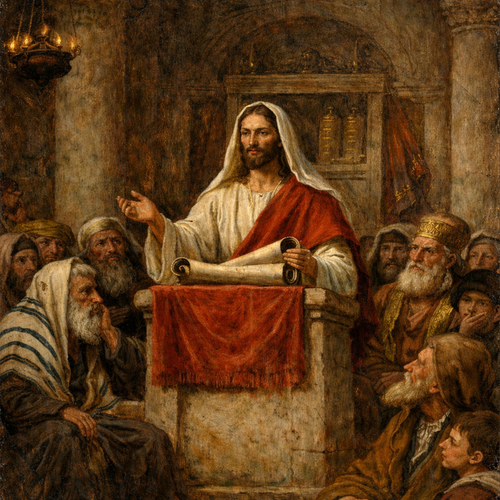
A major Associated Press report published Monday examines the escalating dispute at the Wind River Reservation in Wyoming. Pastor Sarah Lucas of Foundations for Nations publicly condemned traditional Arapaho practices—including the Sundance and sacred pipe ceremonies—as “idol worship.” The sermon triggered protests, and Northern Arapaho leaders have told the church to leave.
There’s a legal complication: the church sits inside reservation boundaries but on privately owned land, making the tribe’s authority to remove it uncertain. Attendance at the church has reportedly fallen by roughly half, and tribal leaders have adopted new rules requiring religious organizations to obtain approval before operating on tribal lands.
Can Christians respect another person’s religious freedom while simultaneously telling them their religion is false? Biblically, yes.
Read the Book
Your Life And What Comes After
Discover God’s plan from Genesis to eternity — and where your life fits into it.
Get It on AmazonPaul didn’t arrive in pagan Athens and announce that every religion was equally true. He saw a city filled with idols—and then reasoned with the people about the God they didn’t know.
So What?
Christians shouldn’t mock Native Americans or pretend the brutal history of forced religious assimilation never happened.
But neither should a Christian pastor be required to say something she believes is worship of another god is compatible with Christianity. Respecting someone’s right to believe something is not the same as agreeing that what they believe is true.
That’s religious liberty.
But let’s be clear about the basic tenet of our faith as declared by Jesus Christ, and let’s not hesitate to speak the truth boldly:
“I am the way, the truth, and the life: no man cometh unto the Father, but by me.” — John 14:6 (KJV)

Child of God, husband, father, grandfather, rabblerouser, songwriter, pot stirrer, waiting for the King.