
Watchdog Report: Biblical Archaeology

Here are three recent reports from discoveries in biblical archaeology, all from Bible Archaeology Report.

Tomb of Doctor who “Treated the Pharaoh Himself” Discovered in Egypt:

A French-Swiss team of archaeologists discovered a 4,100-year-old tomb at Saqqara belonging to Teti Neb Fu, a doctor who treated the Egyptian pharaoh. The tomb dates to the Old Kingdom period and contains vibrant paintings of Teti Neb Fu’s life and work.

Discoveries Made at Hatshepsut’s Mortuary Temple:

Egyptian archaeologist Zahi Hawass announced several discoveries around the mortuary temple of Egypt’s female pharaoh, Hatshepsut. The excavation team found the temple’s foundation deposit, including stones with Hatshepsut’s cartouche and several tools. They also unearthed nearly 1500 painted blocks from Hatshepsut’s nearby valley temple.

Structure on the Eastern Slope of the City of David Identified as an Ancient Place of Worship:

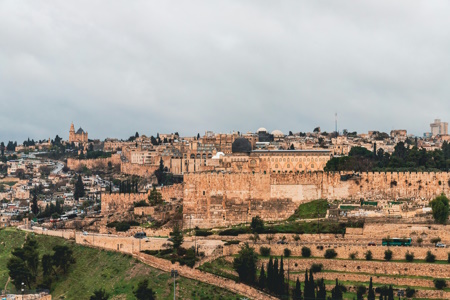
A recent article in the journal ‘Atiqot interprets a structure on the eastern slope of the City of David in Jerusalem as an ancient place of worship. The structure was in use from the Middle Bronze Age to the mid-eighth century BC.
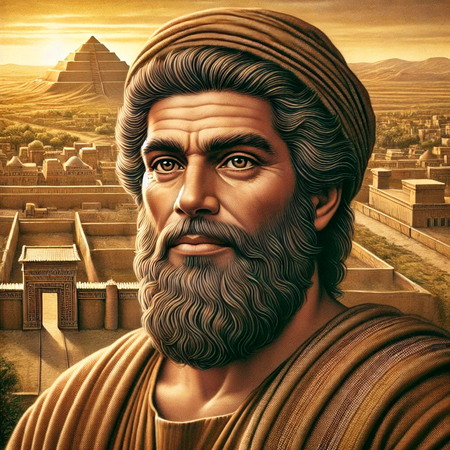
Biblical Archaeology Recent Discoveries

Bible Rebel is keeping a watchdog’s eye on the recent archaeological discoveries confirming the biblical record of history.

Abram, Father of Monotheism

“The Mari Letters (18th century BCE) indicate that the Amorites (one of the seven Canaanite nations) were nomadic pastoralists who moved across the Fertile Crescent quite frequently. Burial sites from this period (e.x.; tumuli or cairns) in parts of the Levant and Mesopotamia are associated with mobile pastoralist groups. Abraham’s movement is thus consistent with the broader socio-political and environmental conditions that existed at the time.” – Times of Israel

Ancient Roman Tablets Found in Israel

Archaeologists at Abel Beth Maacah in northern Israel discovered ancient Roman tablets that mention previously unknown towns named Tirthas and Golgol. The tablets are a Tetrarchic boundary stone from Emperor Diocletian’s reign. – Greek Reporter

Early Spread of Christianity Confirmed

“An 1800-year-old silver amulet with a Latin inscription invoking the name of the Lord Jesus Christ is being hailed as evidence of the early spread of Christianity. The amulet was discovered near Frankfurt, Germany under the chin of a man buried in a tomb dating to AD 230–270.” – Bible Archaeology Report

The Davidic Dynasty And Biblical Archaeology

Photo via Виктор Соломоник at pexels.com

Here’s a brief recap of some of the more recent discoveries and news items from the world of Biblical archaeology. Stay tuned for this regular feature appearing in the Bible Rebel blog.

Tel Dan Stele Displayed in Oklahoma
The Tel Dan Stele, an artifact confirming the historical existence of King David, was exhibited at Herbert W. Armstrong College in Edmond, Oklahoma, from September 22 to November 25, 2024. This significant artifact provides evidence of the Davidic dynasty mentioned in the Bible.
The Jerusalem Post

Ancient Stone with Greek Inscriptions Discovered in Upper Galilee
A 1,700-year-old volcanic stone bearing ancient Greek carvings was found in Upper Galilee, a region associated with Jesus’ miracles. The stone, serving as a boundary marker from the Roman Empire, references two previously unknown settlements, Tirathas and Golgol, dating back to the reign of Caesar Marcus Aurelius Alexander. This find offers insights into Roman administration and land ownership in the area.
The Sun

Discovery of a 2,700-Year-Old Seal in Jerusalem
In September 2024, archaeologists uncovered a 2,700-year-old seal in Jerusalem. Such seals offer valuable insights into the administrative practices and personal identities during the First Temple period.
Bible Archaeology