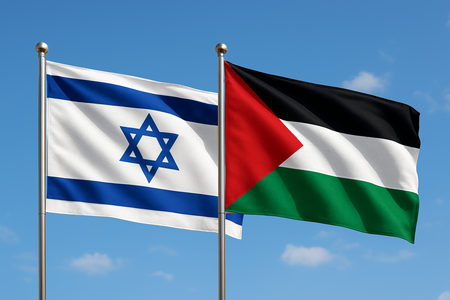
Israel Approves 19 New Settlements in the West Bank
Israel’s government officially approved 19 new Jewish settlements in the occupied West Bank, including 11 newly established ones and recognition of previously unauthorized outposts. This move significantly expands settlement territory and draws criticism from Palestinian advocates and international observers for further complicating peace efforts.
From France 24
But what is the ‘West Bank’ historically and why does it matter today?
Biblical History
The West Bank corresponds largely to the biblical regions of Judea and Samaria. It was inhabited by ancient Israelites and is central to the narratives of Abraham, David, Solomon, and the prophets. Jerusalem, Hebron, Bethlehem, Shiloh, and Shechem are all located in or adjacent to the area.
Control passed through many empires: Assyrian, Babylonian, Persian, Greek, and Roman. After Jewish revolts against Rome (66–73 AD, 132–135 AD), many Jews were exiled, though a continuous Jewish presence remained.
Modern History
- During the 1948 Arab-Israeli War, Jordan captured and later annexed the West Bank.
- The name “West Bank” comes from its location west of the Jordan River.
- Jordan’s annexation was recognized by only a few countries.
- Jews were expelled from areas such as East Jerusalem and Hebron, and Jewish holy sites were restricted.
- Palestinians in the West Bank were granted Jordanian citizenship.
Israeli Control (1967–Present)
- In the 1967 Six-Day War, Israel captured the West Bank from Jordan.
- Israel has controlled the territory since then, though it did not formally annex most of it.
- Jewish settlements were established, beginning in the late 1960s.
- Palestinians sought self-determination, leading to uprisings (Intifadas) in 1987 and 2000.
Why it Matters
The West Bank is disputed territory under international law. Palestinians seek it as the heartland of a future Palestinian state. Israel cites historical ties, security needs, and unresolved borders.
The region remains fragmented politically and geographically. Tensions continue over settlements, security, governance, and final borders.